Community Documentary Video
Voices on environmental resistance from Acerra, Italy
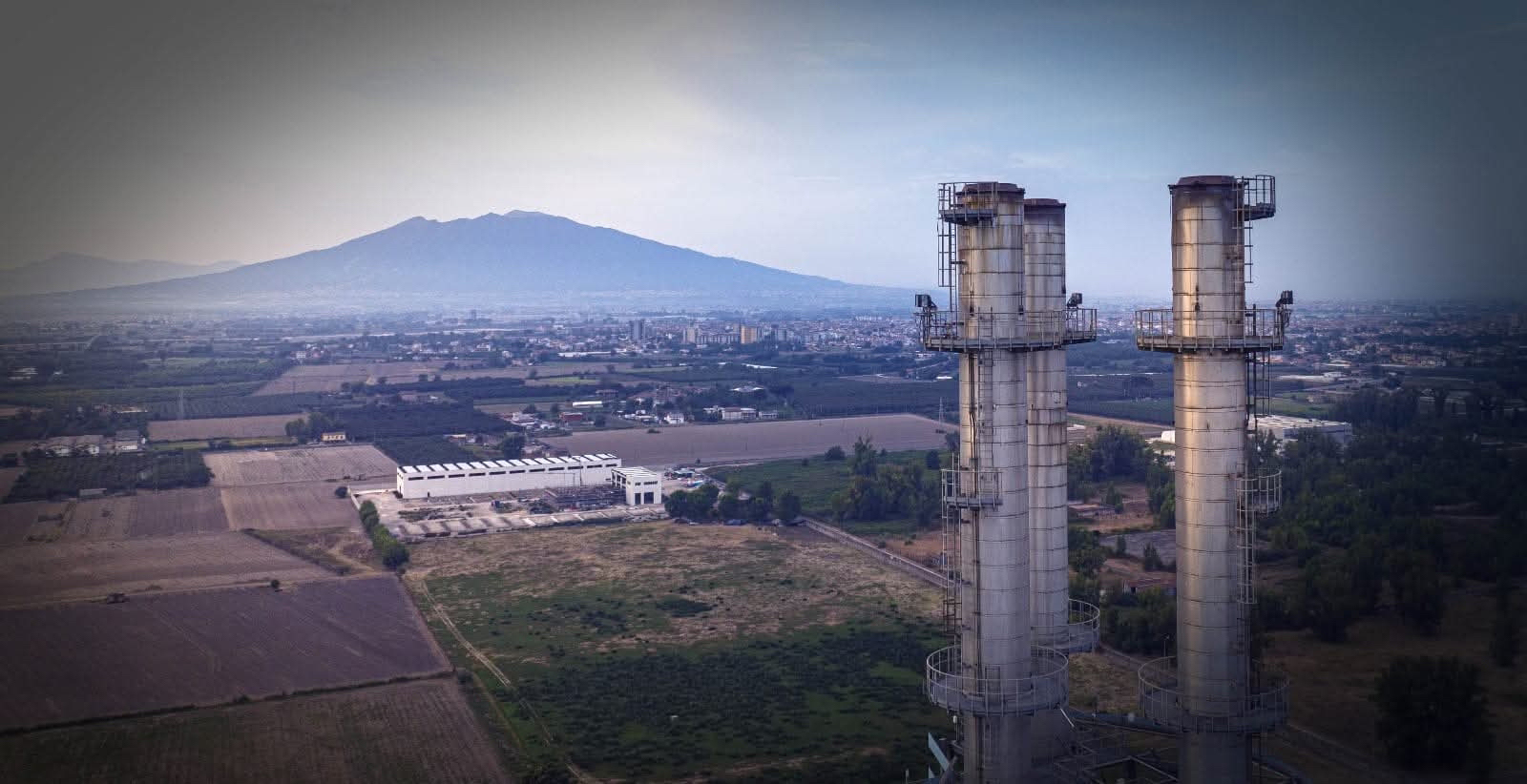
In Acerra, environmental resistance is not a story that can be told in a single voice. It is a story made up of people, places, experiences and struggles that have been intertwined across the area for many years. This is where our journey began.
-
by nuzzo

The first phase of the R-EXISTENCE. Stories of Resistance from Italy’s Land of Fires project has just come to an end. The project aims to collectively create a documentary film that tells the story of environmental resistance in Acerra from the perspective of its protagonists: volunteers from different organisations active in the area. The idea emerged from meeting activists Giovanni De Laurentis, from the Comitato No 4 linea inceneritore per la tutela ambientale (No 4 Incinerator Line Committee for Environmental Protection), and Margherita D’Andrea, a lawyer and researcher who has been working on the environmental and social issues affecting the area for many years. After an initial introductory meeting online, we met in Acerra on 17 and 18 July for two days of participatory workshops. This was when we began to discuss the first ideas for the documentary together. Several organisations active in the area took part: Volontari Antiroghi Acerra (Acerra Anti Fire Volunteers), Associazione le mamme di Miriam ODV (Miriam’s Mothers Association), Associazione se allunghi la mano trovi la mia ODV (If You Reach Out Your Hand, You Will Find Mine Association), Collettivo Popolare Autorganizzato per la Giustizia Sociale (Self Organised Popular Collective for Social Justice), and Archeoclub d’Italia sede di Acerra (Archeoclub of Italy, Acerra branch).
The photo elicitation activity
On 17 July, we worked with the photo elicitation technique. Sitting around a table, participants brought two photographs: one representing the challenges and one representing the possibilities linked to the theme of environmental resistance in Acerra. They then began to share their stories and experiences.
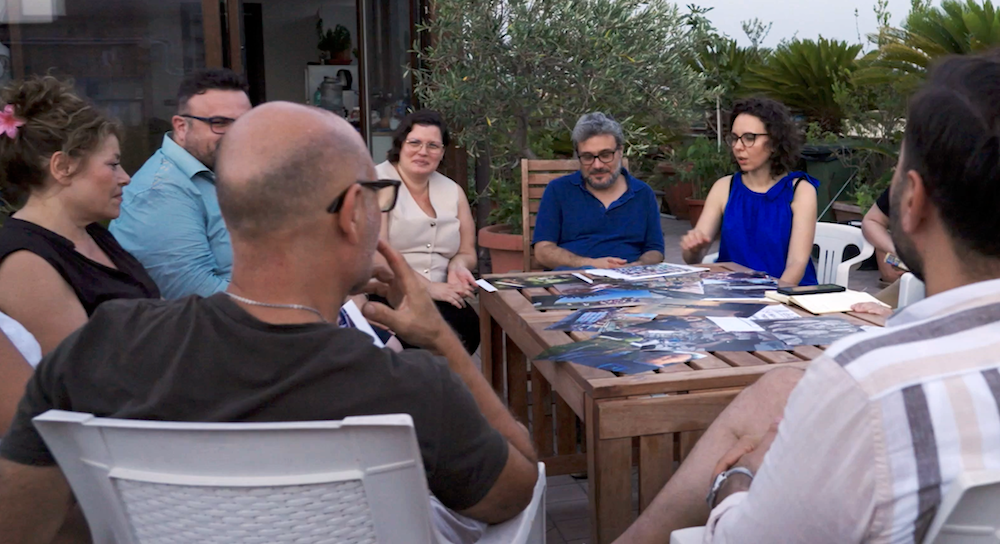
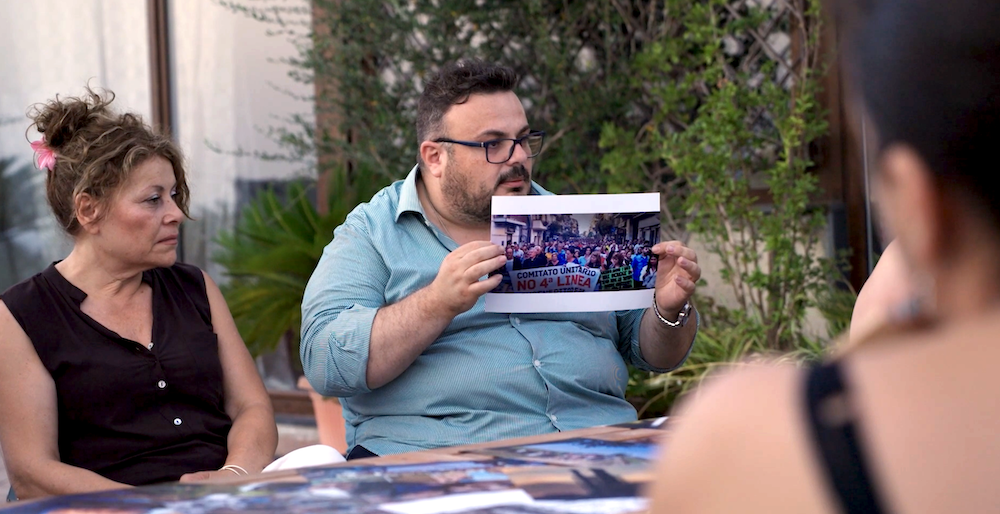
As someone originally from Acerra and emotionally very involved in the issues affecting the area, it was not easy for me to facilitate the workshop while maintaining a detached approach. At the same time, my familiarity with the area allowed me to contribute my own ideas and to experience this process as an active participant in the discussion.
The first stories, perspectives and points of view emerged from this activity: from Acerra’s origins as an important agricultural centre to the current struggles to monitor and protect the area, to tackling fires and the dumping of toxic waste, demanding greater transparency from institutions, and the protest and awareness raising activities led by young people. The workshop was also filmed, and some parts, particularly the discussion that emerged from the photo elicitation activity, may become part of the documentary itself. In this way, the process through which stories are shared and collectively created can also become part of the final narrative. The meeting also brought to light aspects of environmental activism that often remain outside the public narrative, such as the difficulties and sacrifices that volunteers face, often having to put their commitment to environmental activism before the time they can spend with their families.
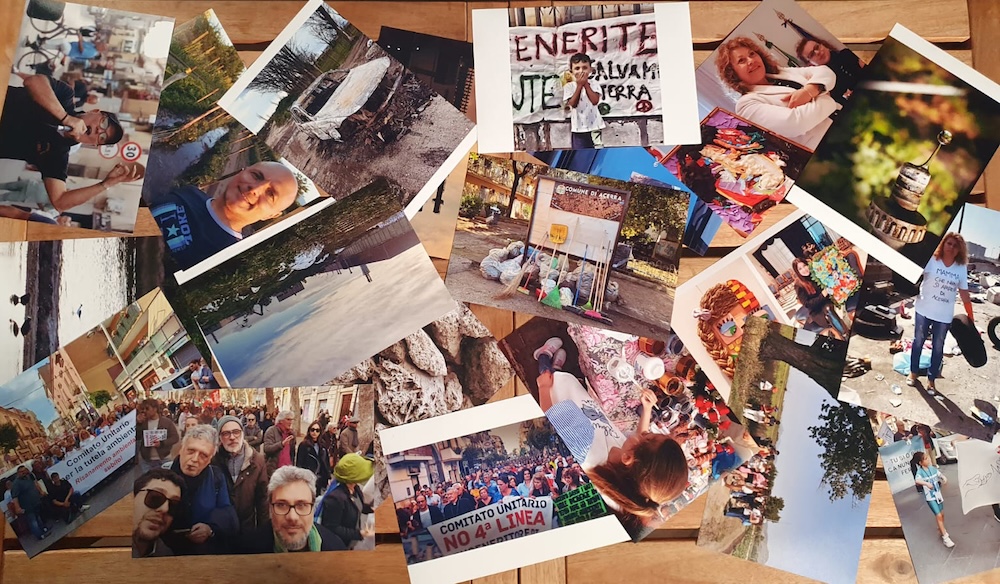
The feedback collected from participants after this first day together showed how important it was to recognise the strength of the different organisations when they come together. “Our meetings are often focused on organising actions, but we had never sat around a table to reflect on the importance of what we do and on the strength we represent when we come together” says Alessandro Cannavacciuolo, from Volontari Antiroghi (Acerra Anti Fire Volunteers). Raffaella Esposito from Associazione Le Mamme di Miriam (Miriam’s Mothers Association) adds: “We laughed, we cried, we did not miss anything. We need more moments like this. We can say that after this meeting we know each other much better”.
The rich picture
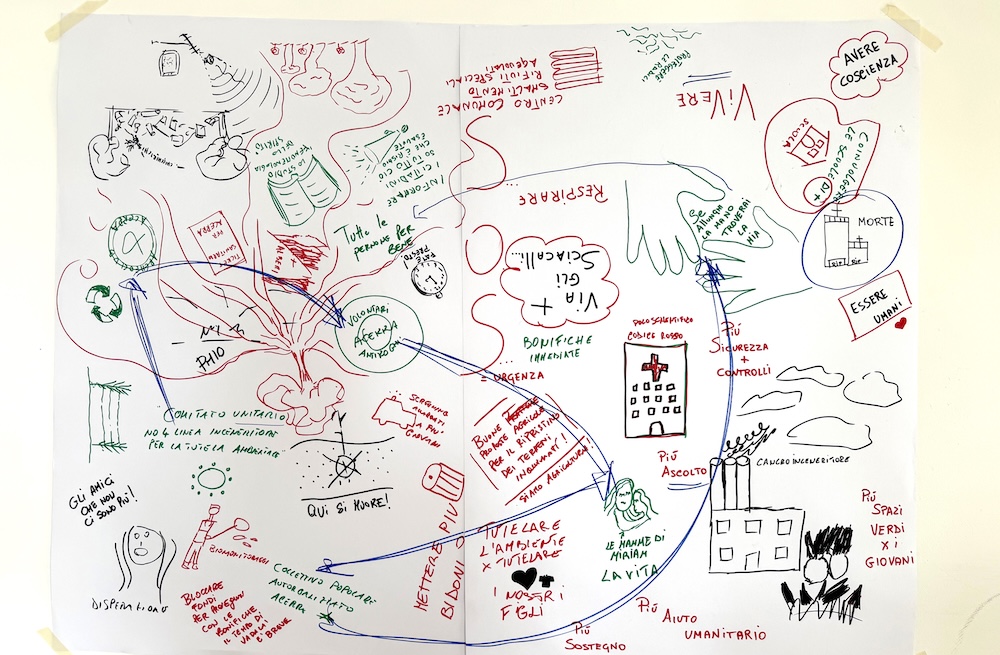
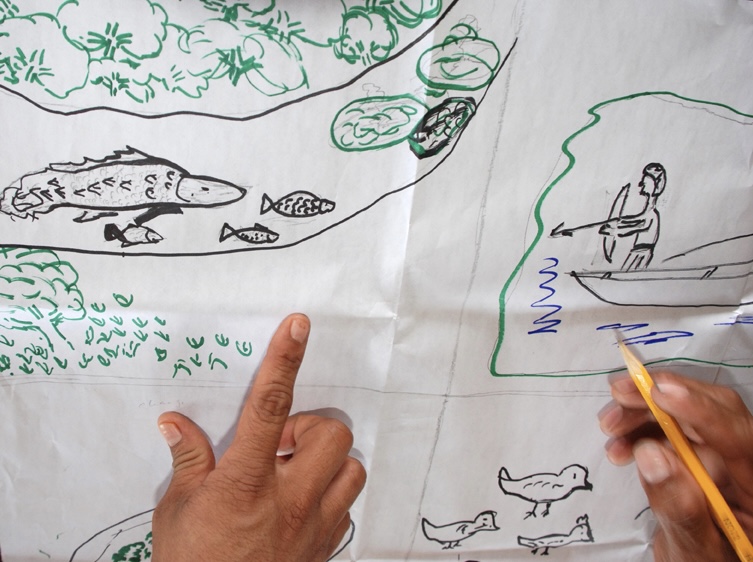
On 18 July, we continued the work with a second visual mapping activity, using the Rich Picture technique. Divided into two groups, participants used drawings, key words and symbols to represent the environmental situation in Acerra, the different forms of resistance already taking place in the area, and what still needs to be done to bring about change. The different elements were connected to show the relationships between the challenges, resistance and proposals. The map became a collective representation of the area, bringing to light not only the problems, but also the network of people, organisations and initiatives that have been working for years to address them.
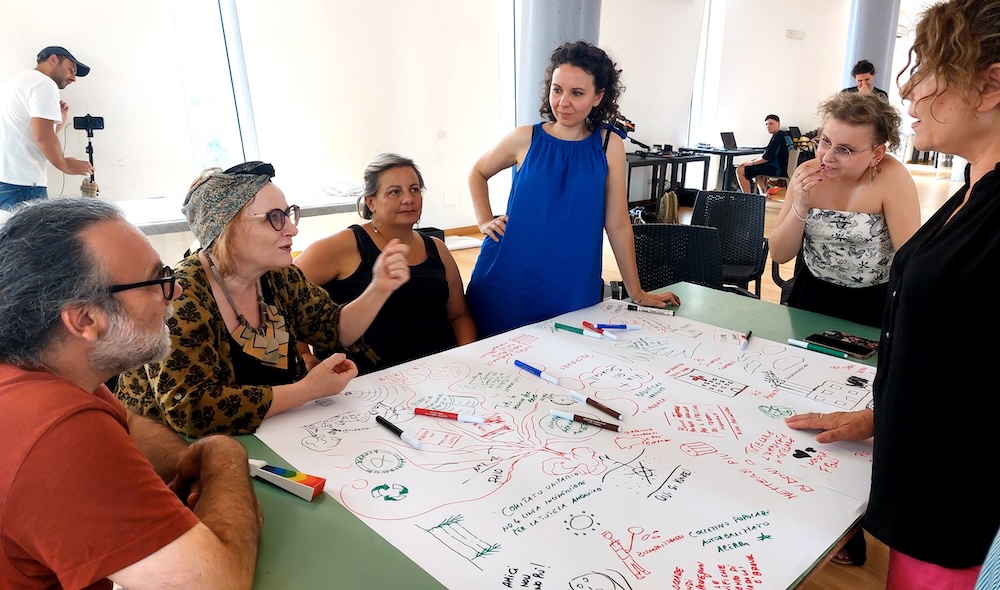
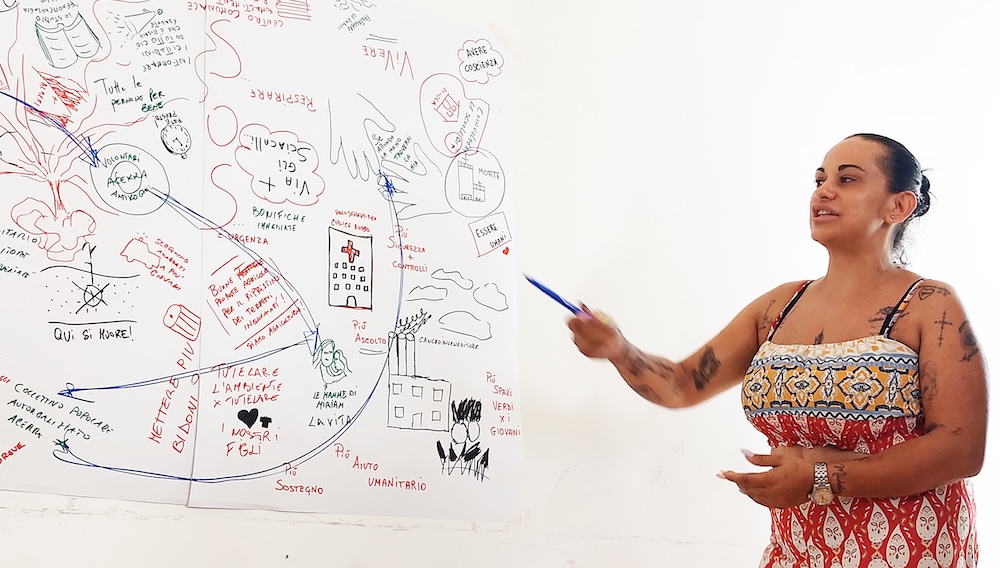
The drawing also provided a different way of sharing experiences and points of view, without having to immediately find the words to express what they wanted to say. At the end, three volunteers presented the map to the group. Once again, the process was as important as the outcome: taking the time to look at their area together allowed them to recognise its complexity, but also the strength of the people who continue to resist.
The call to action
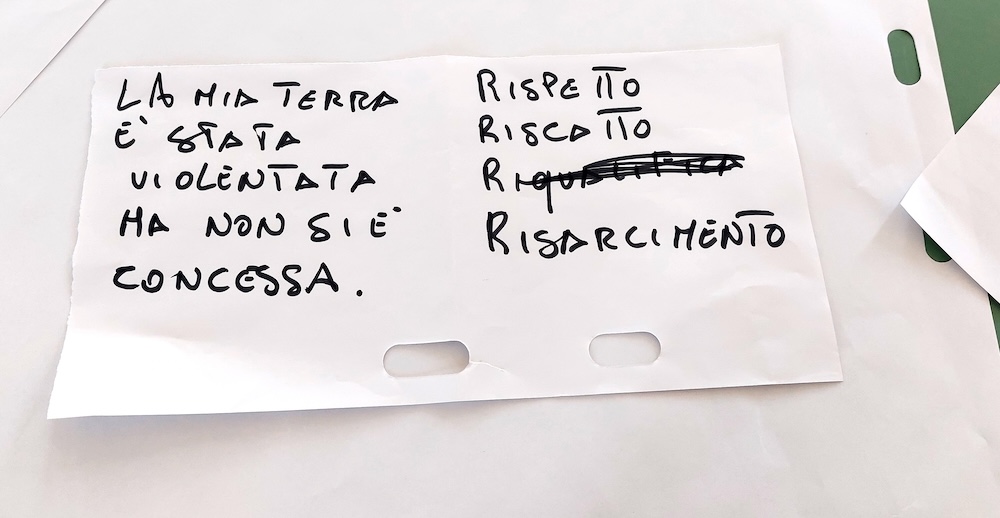
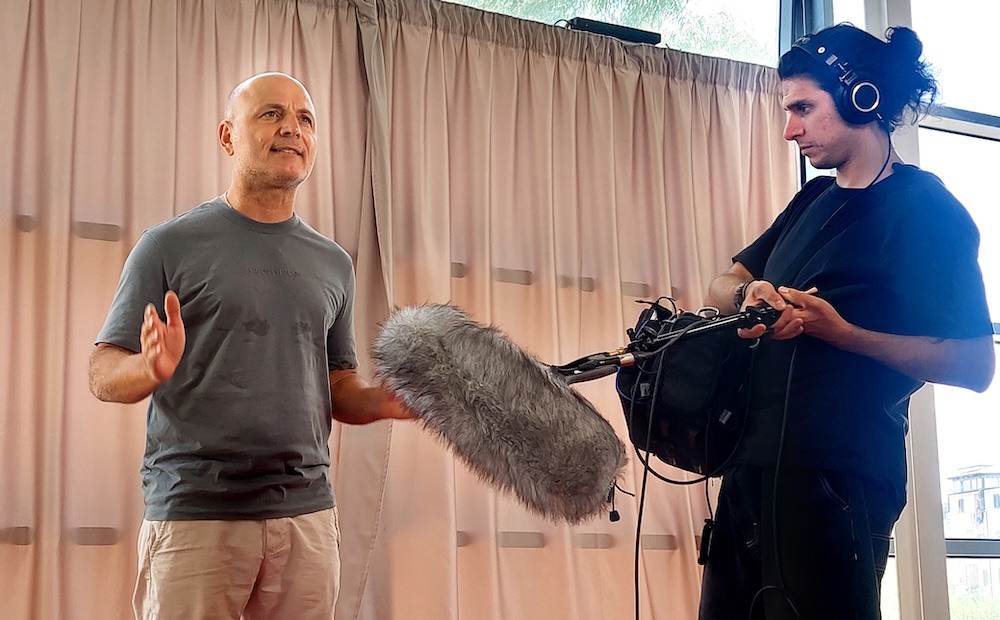
Based on the proposals and requests that emerged, we asked participants to imagine having thirty seconds in front of the camera to speak directly to those who could contribute to changing the environmental situation in Acerra. What would they say? This question led to the first call to actions, short interventions in which each participant tried to put their requests and expectations into words. It was also the first moment when some of the ideas that had emerged during the workshop became images. Participants began speaking directly to the camera, experimenting with a new language and becoming more confident in their role as protagonists of the documentary.
The basics of documentary scriptwriting
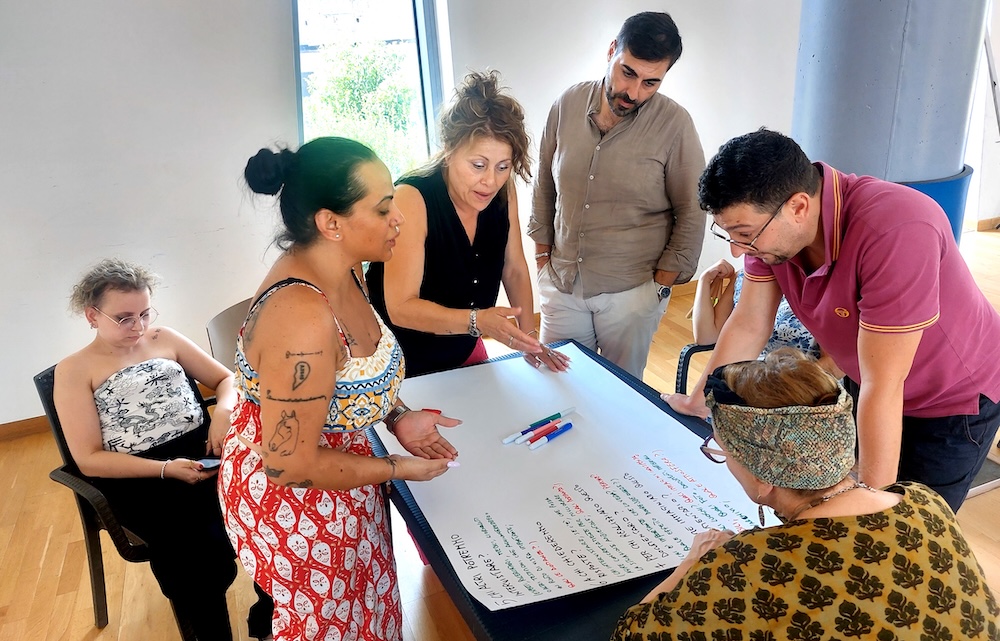
We then introduced participants to some basic elements of documentary writing and narrative construction, explaining how a story can be developed through protagonists, points of view, locations, interviews, images and archive material. Using these tools, we then asked the group to apply them to their own story. Participants began discussing what story they wanted to tell about Acerra, which stereotypes they wanted to challenge, whose voices needed to be heard, and what message they wanted to leave with the audience.
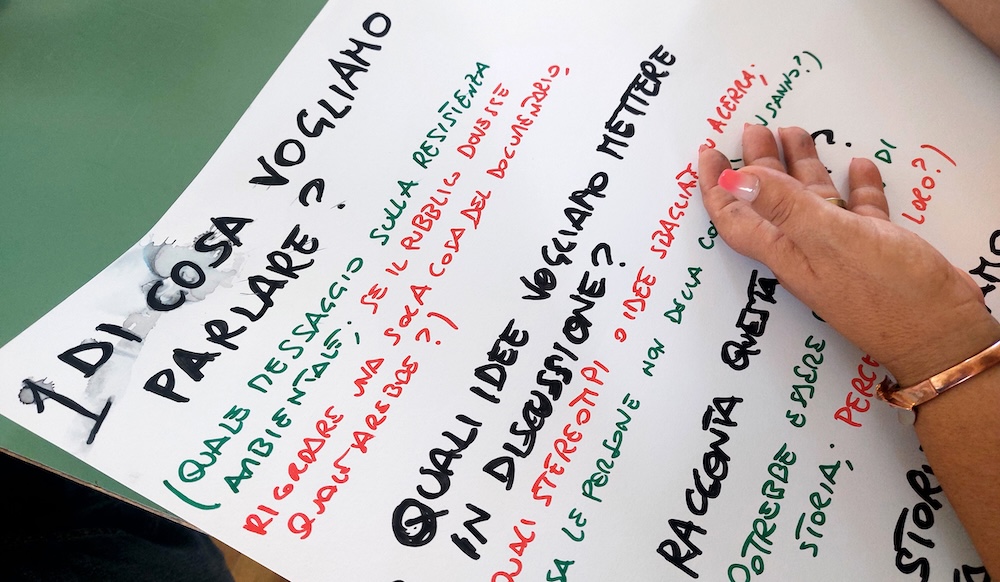
This discussion led to the first draft of the documentary script, collectively developed based on the experiences and ideas of the participants. Some of the first people, places and situations to be filmed were also identified.
The first filming
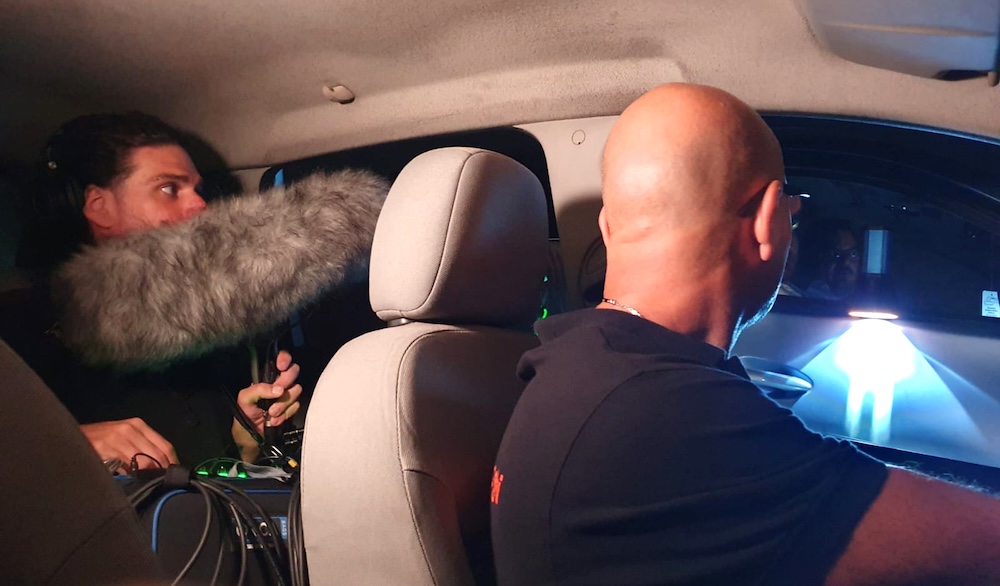
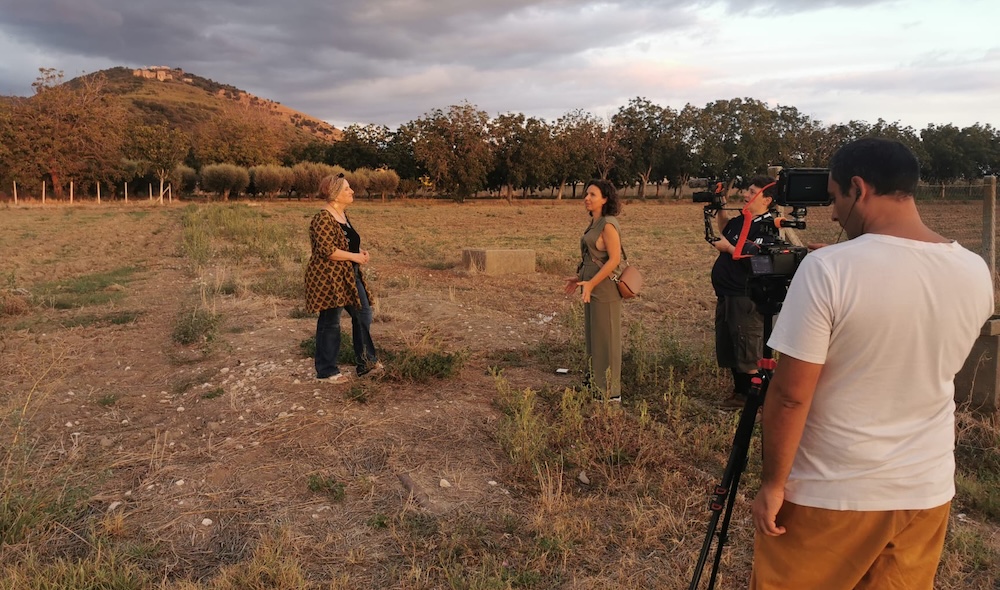
Based on the ideas and suggestions that emerged during the workshops, we have now started the first phase of filming, which will continue until mid-September. The first images are beginning to transform the stories, experiences and points of view that emerged during this process into an audiovisual narrative. The documentary has therefore started to take shape but there is still a long way to go.
The next steps
This is, however, only the first phase of a longer process. In order to develop and finalise the documentary, we will need to continue working with the participants to refine the script, carry out further filming, and dedicate time to editing and post production. Further time and resources will therefore be needed to complete the documentary and allow these stories to be told in all their complexity.
For now, I am very happy to have started this journey. In a participatory project, the process is a fundamental part of the outcome: the documentary grows from the relationships, shared experiences and decisions made together along the way. This process has already helped to strengthen the network between the different organisations involved, build a shared understanding of the situation, and share different experiences, knowledge and perspectives. The Participatory Video techniques we are using have also helped to begin building a digital social memory of this moment and laid the foundations for the documentary to become a tool to support the voices and actions of resistance, transforming them into a tool for struggle and change.